7:00 PM
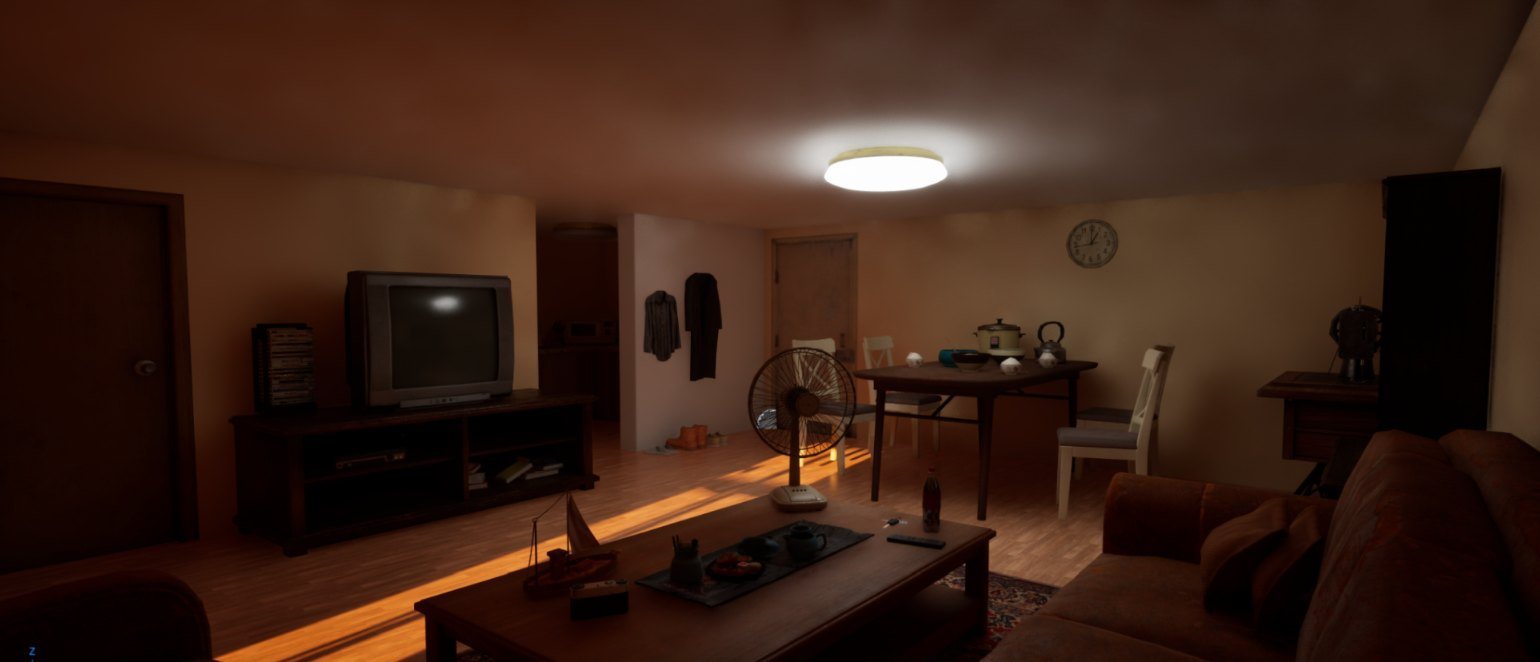
七点整A first-person exploration game set in a frozen moment of 2010 China. You return as a visitor to an ordinary family's apartment, suspended at the exact second before dinner began. Through objects that remember being touched, you piece together that last ordinary evening, seen through a child's eyes.
01 / THE SECOND BEFORE DINNER
This page lasts one second. It only moves while you scroll — the way the house only wakes where you look.
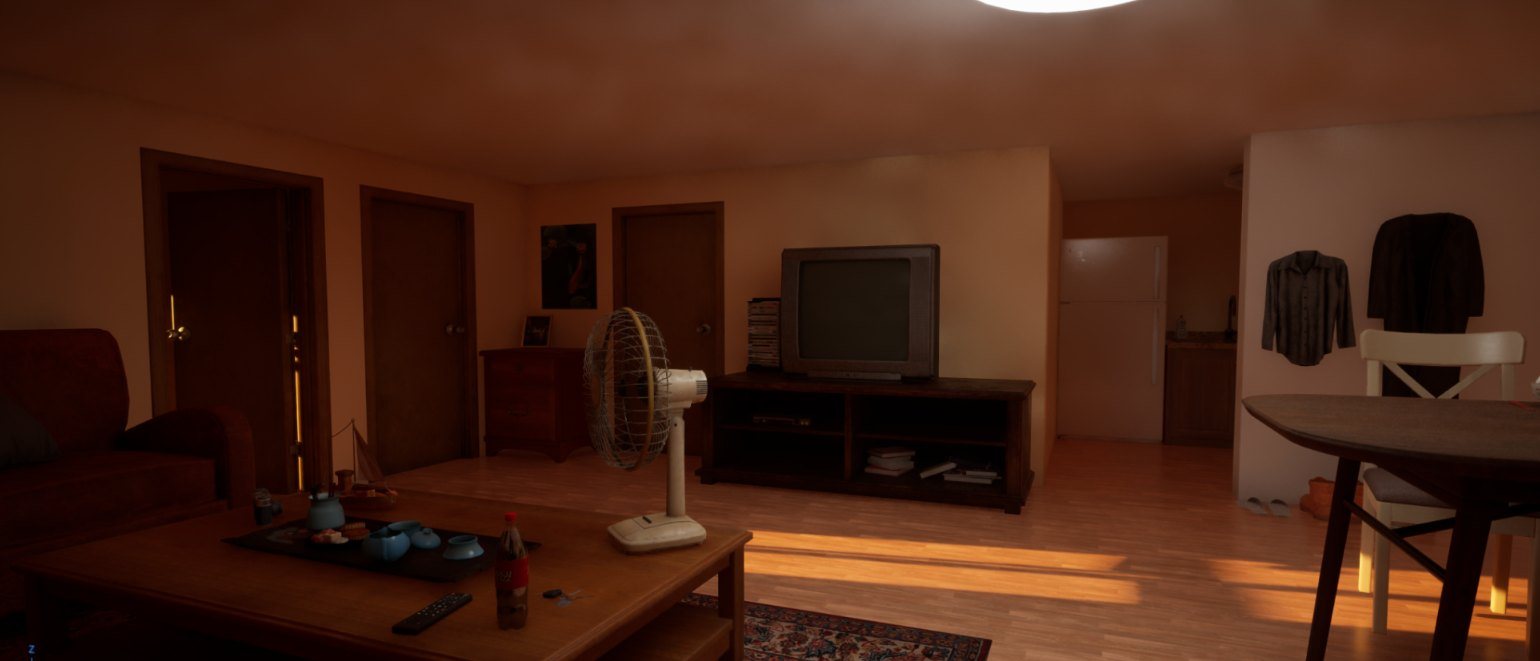
A family of three is about to sit down to dinner. The evening news theme starts on the TV. The last dish drifts in from the kitchen; cicadas outside, children laughing downstairs. A voice down the hall: “Dinner’s ready — come and eat!”
Every sound is gone. Not left — gone, as if it had never been. Inside the apartment and out, time stops one second before dinner begins.
You are a visitor — or someone remembering. Open the door and time moves again, but only where you are. The food steams. The TV murmurs. No one is there to answer.
Yours, and not yours. You recognise the calendar on the wall and the newspaper rack under the tea table. The more private memories have edges.
02 / IN-GAME
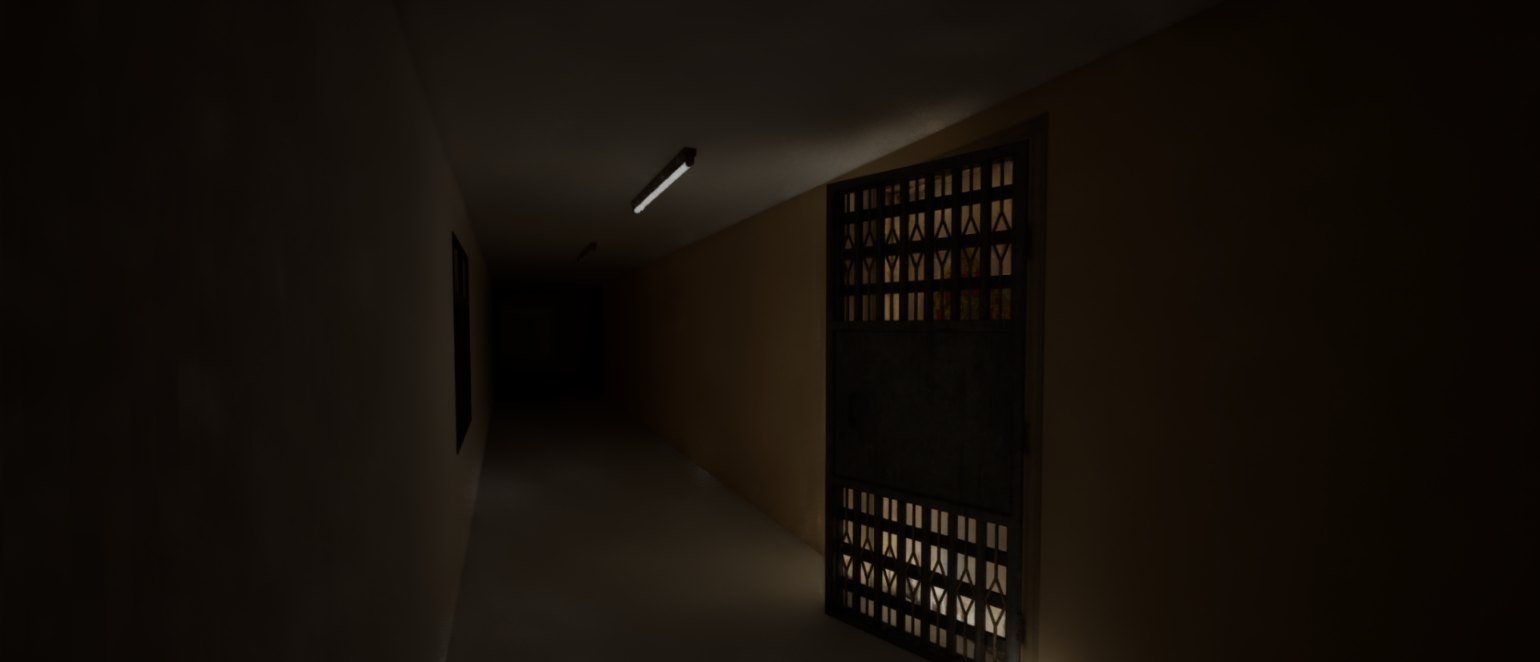
Each room wakes when you look.
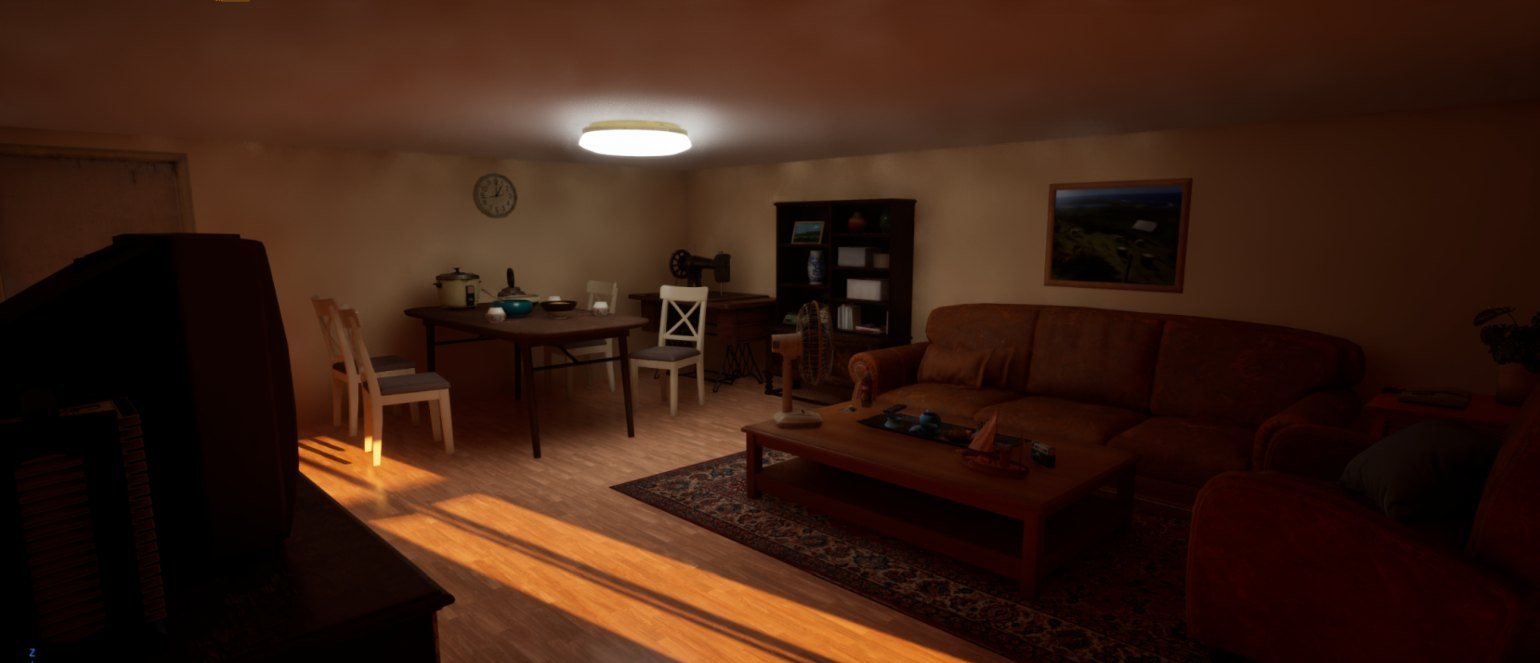
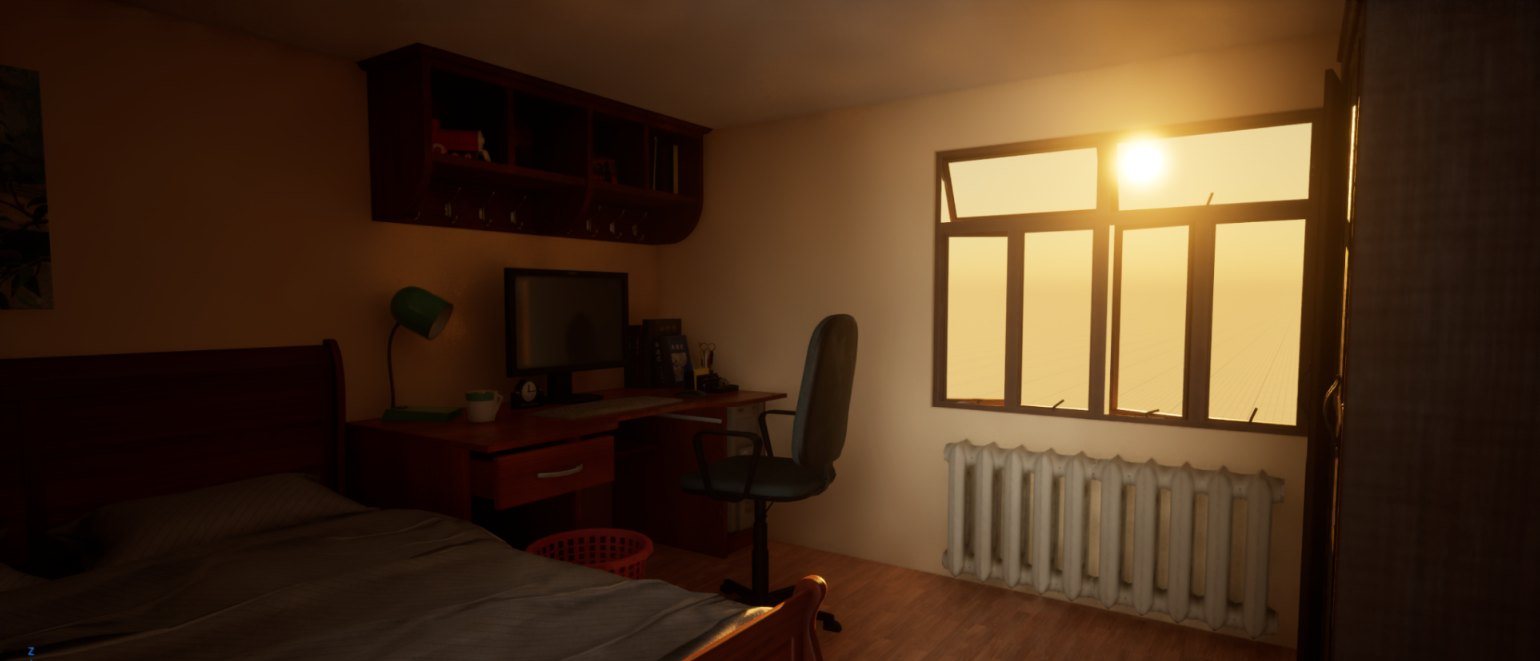
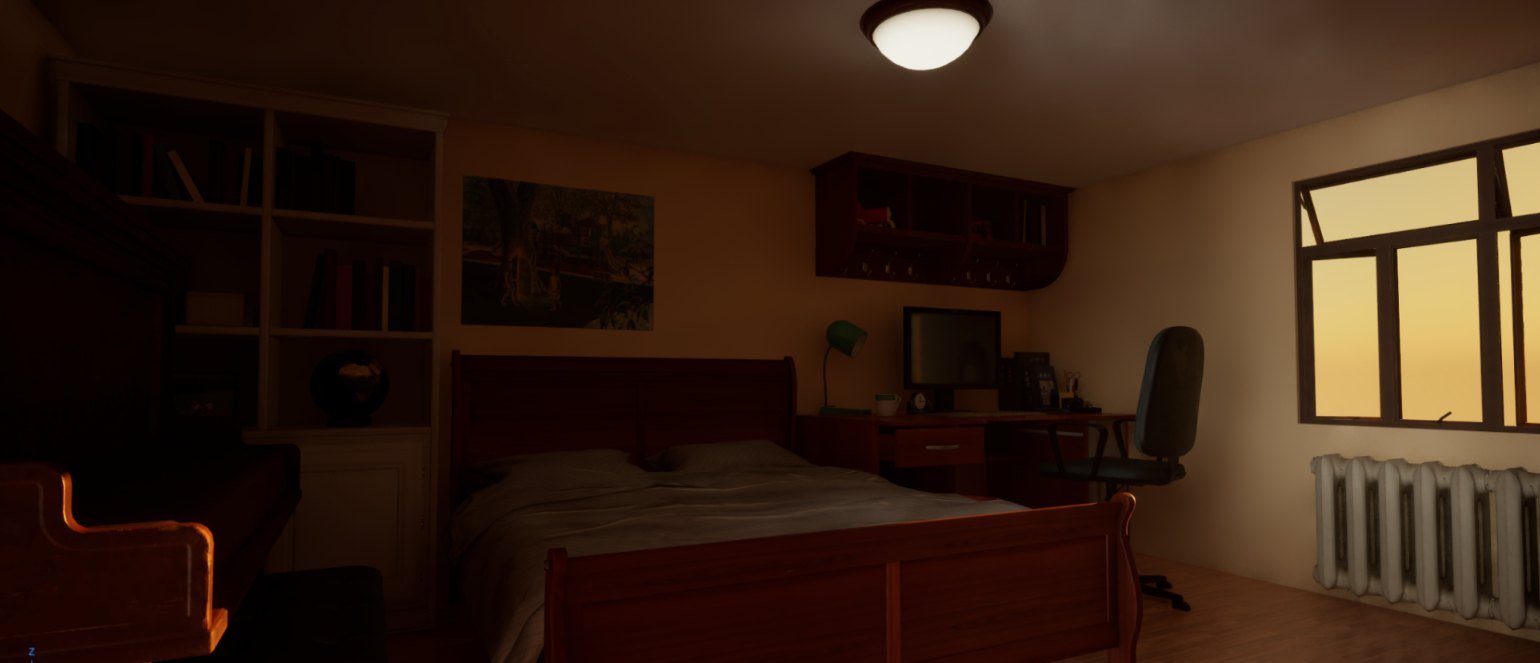
03 / THE GAZE THAT TOUCHES
One line from your eyes. Three possible answers.
Every frame, a line is traced from the camera into the frozen air. It is not looking for objects but for thresholds. This Blueprint is the switchboard: press the key, and it decides what the world answers.
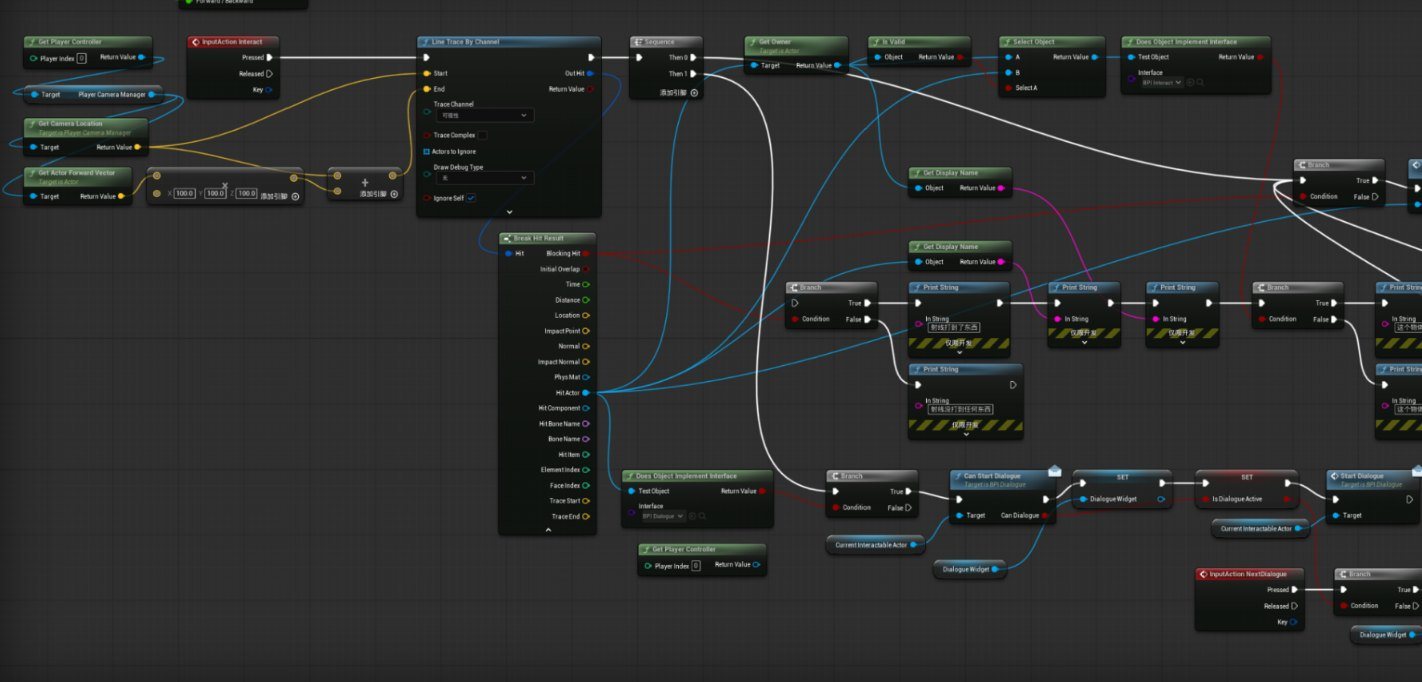 BLUEPRINT · INTERACTION HUB
If the line finds a door, it recognises a passage. If it finds an object marked by time, it acknowledges a story waiting to be heard. If it finds nothing, the room stays silent. Every interaction in the game starts from this one moment of recognition.
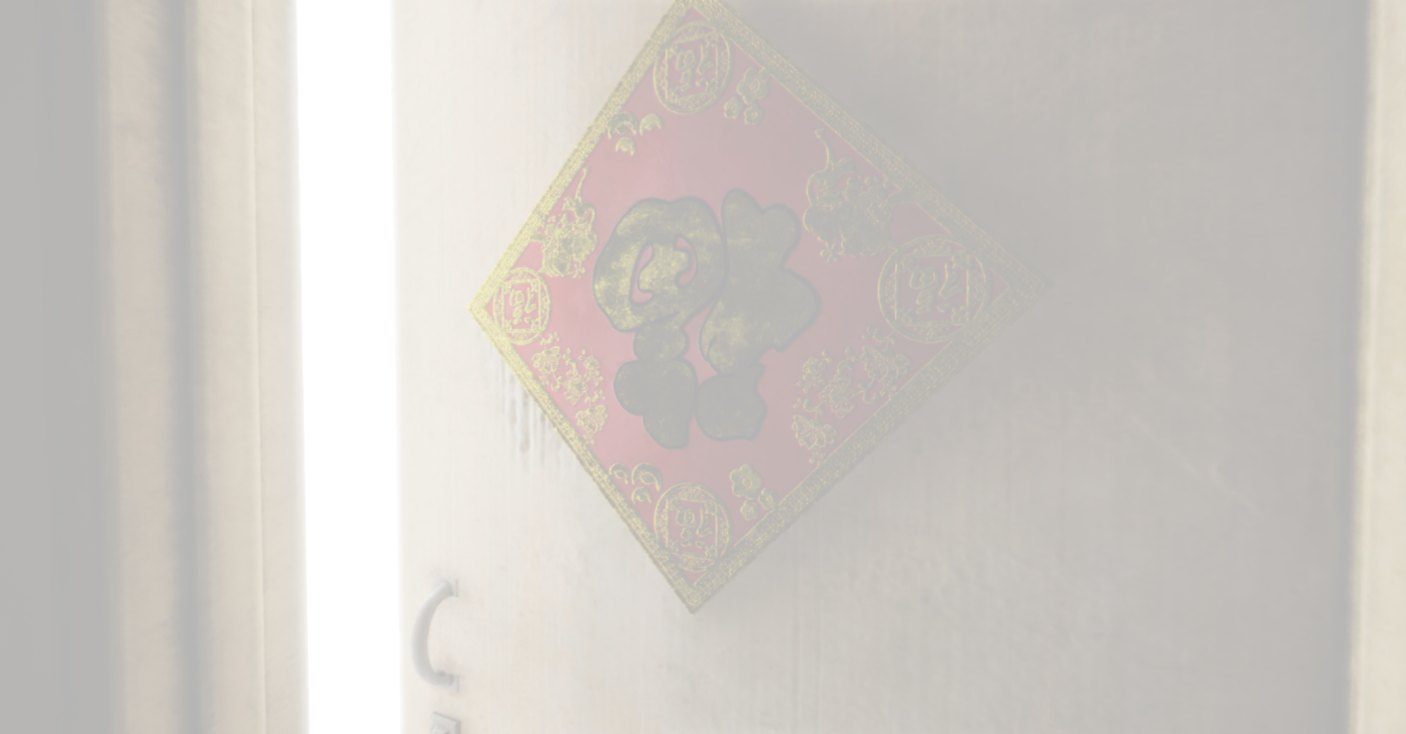 IN GAME
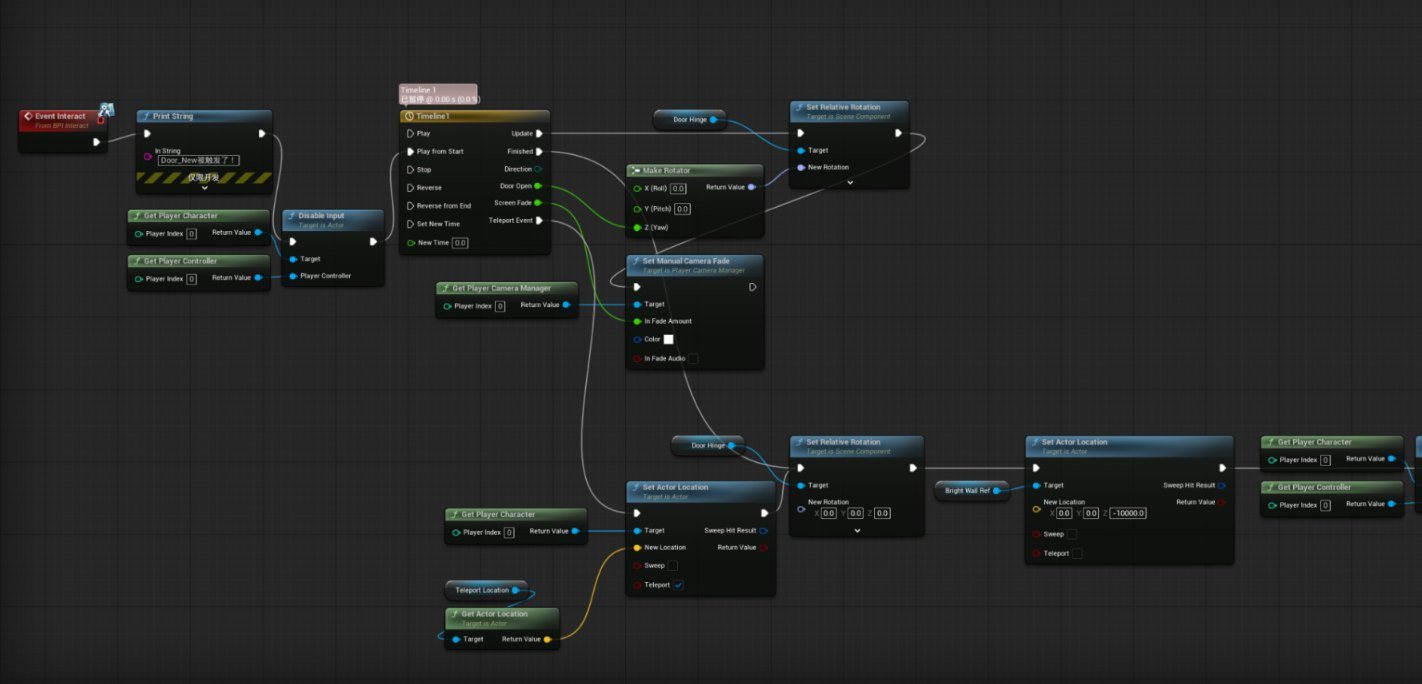 BLUEPRINT · GATE OF MEMORY
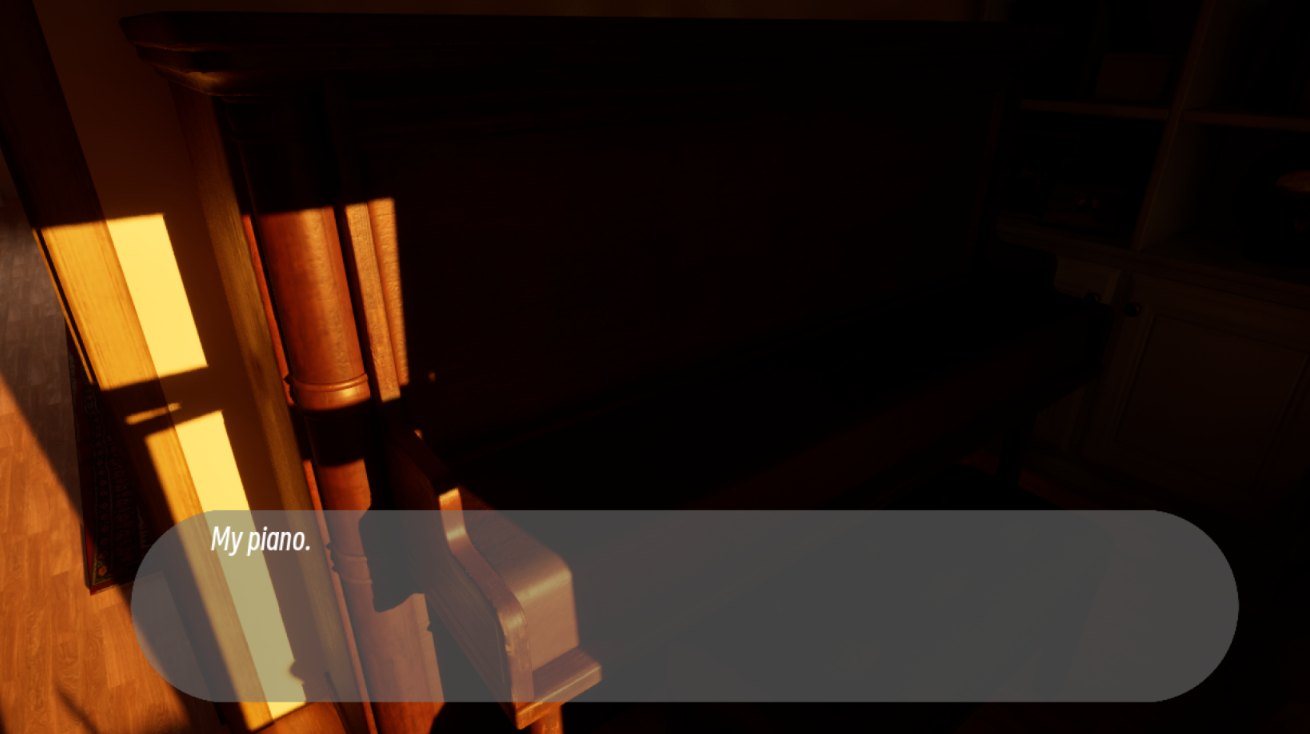
Press interact at the door and white light surges out — not ordinary light, but time itself. It bleaches the whole screen. For those seconds you cannot move or turn, like a child pushing open a room sealed for years. When sight returns you are somewhere else, and the door has closed behind you.
 IN GAME
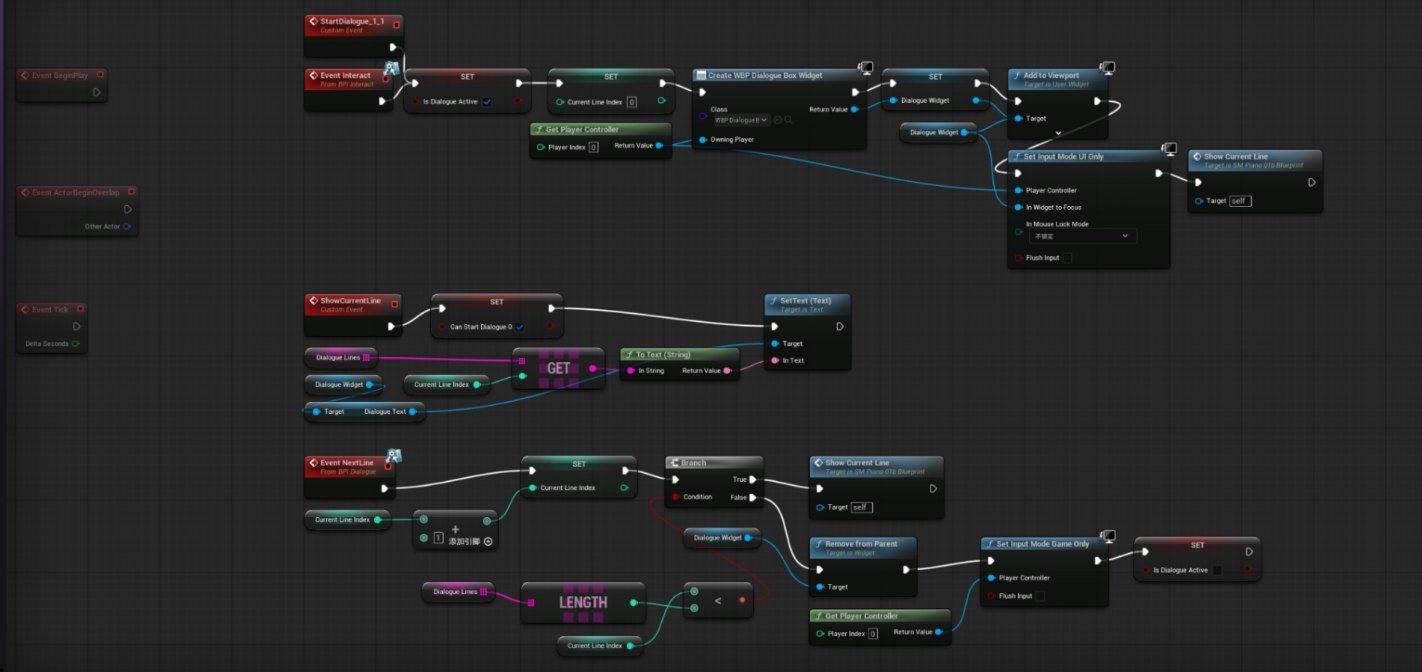 BLUEPRINT · MEMORY ECHO
Reach toward certain objects and they begin to remember. A line appears slowly, whispered rather than spoken. You cannot move while you read — time is already frozen, and it freezes deeper. When the last line fades, control returns, and you carry the object's story with you.
IN GAMEIf the gaze finds nothing, the world remains silent. You are simply standing in an empty room, looking at walls that have forgotten what they once held. Silence is also an answer: it tells the player where the memory ends.
05 / PROCESS
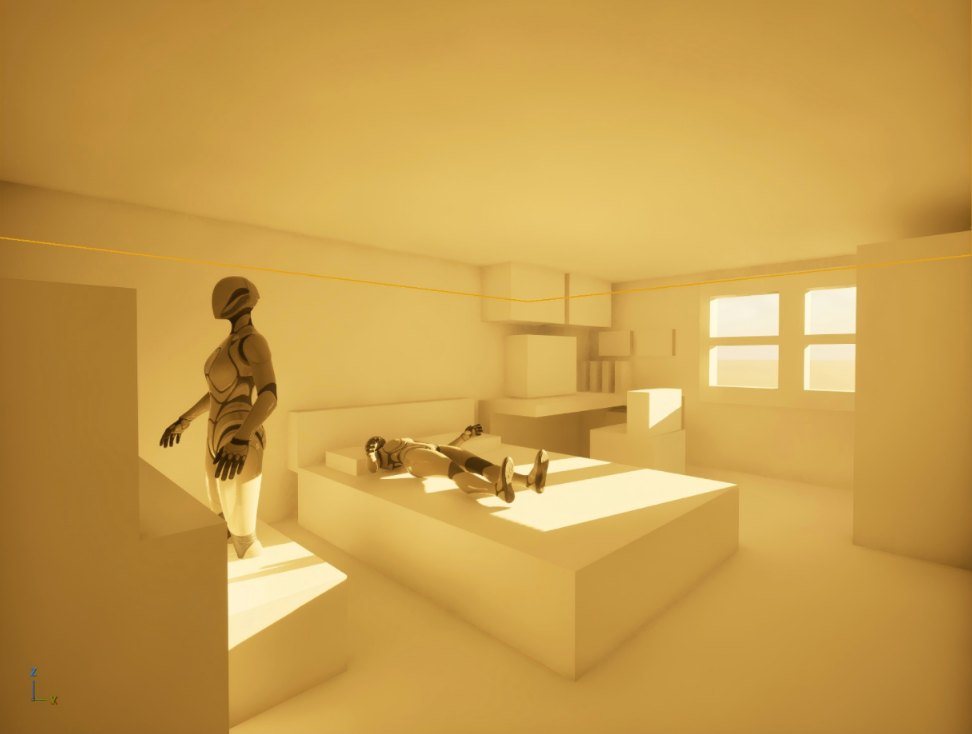
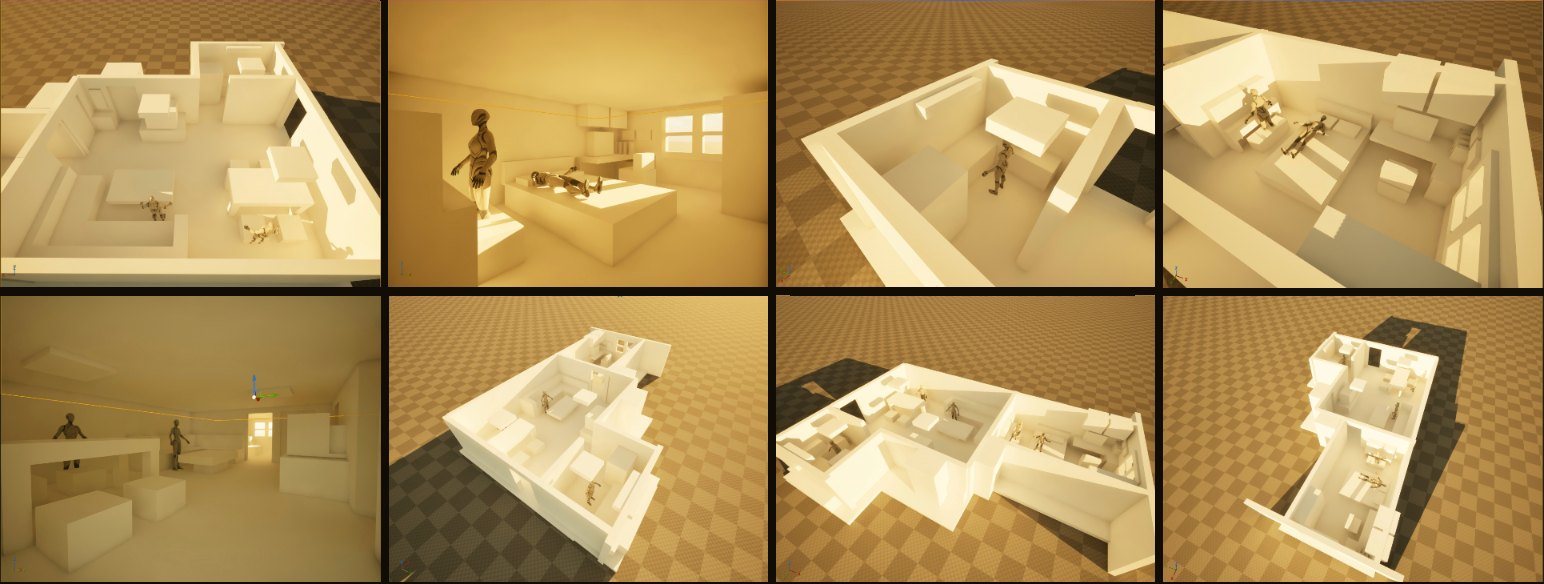
Collected from 2010, built from white boxes.
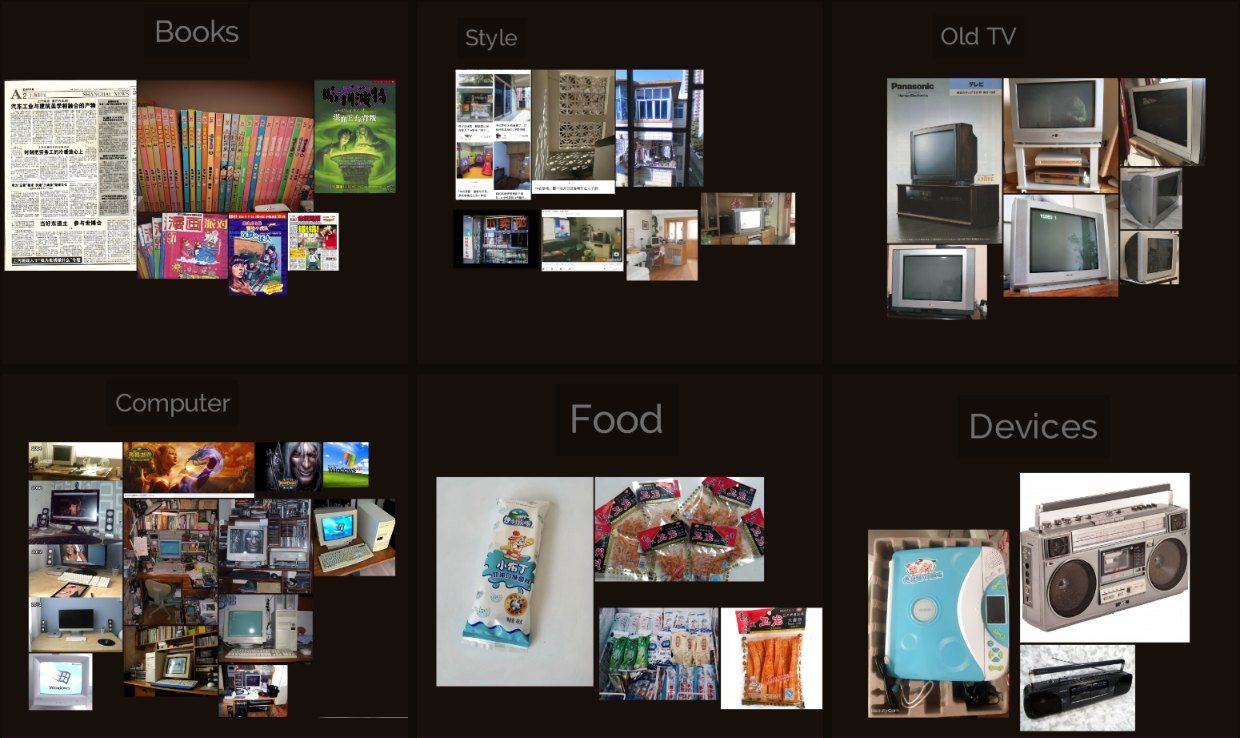
I wanted a Chinese dreamcore: the tender distortion between familiar and strange. A teacup, a homework book, a QQ alert — each belongs to a very specific time, and each still feels like it is reaching out from another world.
06 / 在吗?
When you have touched every memory you can, a sound breaks the stillness from your room. Ding-dong.
You cannot reply. The moment you read it, the world ends — gently, like waking from a dream.
A story of one carefree summer, one family dinner, one time when you were still you.